Have you ever found yourself scratching your head over how all the wires remain connected inside appliances or behind control panels? Well, don't look any further: the answer lies within a simple yet essential component called a screw terminal block that keeps things safe and running efficiently - all thanks to these essential little devices!
Soldering can be messy and requires skill; screw terminal blocks make connecting wires much simpler; twist a screw to connect; no complicated tools necessary - no mess at all! From home gadgets to industrial machines, screw terminal blocks are there quietly doing their job of powering everything and keeping everything powered.
How Screw Terminal Blocks Work?
So how exactly do screw terminal blocks function? Breaking it down is simple.
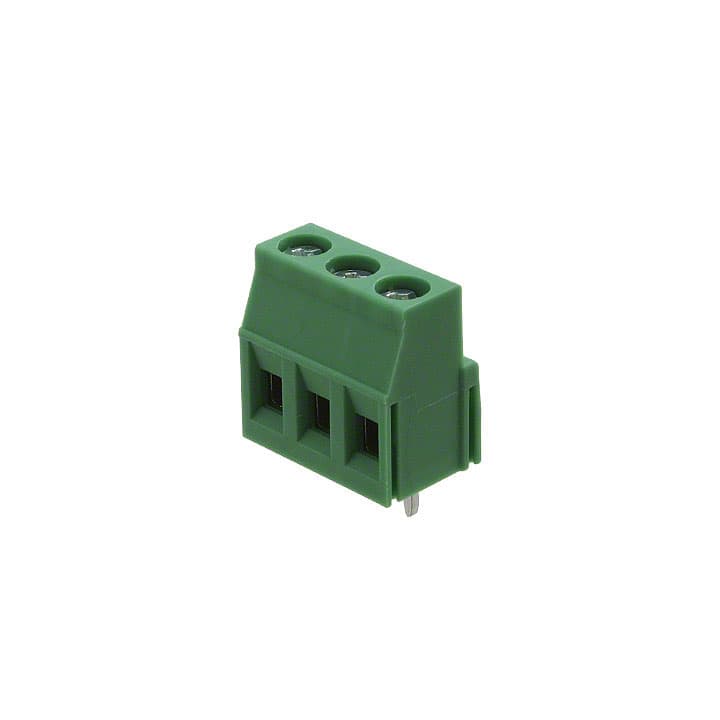
Inside the block is a metal terminal for inserting wire. Once in place, tighten a screw and watch as it presses down on it to lock it into place - holding tight enough that even with movement or vibration occurring around it, it won't slip out!
But there's more than meets the eye here. A screw does more than keep wires from coming loose--it also ensures a reliable, solid connection without loosening over time. And then there's insulation, which plays an essential part in keeping everything safe by keeping electricity inside of its proper channels and not escaping through leakage sh, orts, or shocks.
Screw terminal blocks may seem straightforward in their design, yet they work marvelously. Their screw keeps wire securely in place while insulation provides safety from heat or cold damage. That is why these reliable pieces of machinery exist--they perform simple yet essential jobs efficiently.
Types of Terminal Blocks
Terminal blocks don't come in one-size-fits-all formats; each project may call for different varieties that best meet its requirements. Whether for DIY home projects or large industrial setups, there will always be terminal blocks suitable for their task—let's explore some of the more commonly seen ones here!

Screw terminal blocks are by far the most widely-used terminal blocks, used in applications across a spectrum of fields and uses. Their design is easy to use: just a metal strip with screws clamped onto it that securely connect wires for solid connections. They're popular because of their ease of use and secure connections; you'll find them everywhere, from electrical panels to appliances.

Spring clamp terminal blocks offer fast and tool-free assembly options, perfect for faster projects that need quick assembly without fiddling with tools. Instead of screws, these terminal blocks use an ingenious spring mechanism to clamp the wire in place firmly without needing a screwdriver - simply push in your wire, and it stays put! These blocks are great for projects requiring quick assembly without fiddling around with tools, often found in simpler electronics or control systems.

Feed-through terminal blocks are another popular choice. They're designed for situations in which wire needs to pass from side to side of a block. They're perfect for connecting multiple circuits or wiring something up in a panel while keeping wiring neat and organized. They're commonly seen in larger electrical setups or when multiple devices need to be linked across several sections of a system.

If you're working with more sensitive or complex systems, barrier terminal blocks may be your ideal solution. Constructed with barriers between each terminal to keep wires from touching each other and reduce the risk of shorts, barrier terminal blocks are especially useful in high-voltage or current environments such as industrial equipment or machines, where safety must always take precedence.

Pluggable terminal blocks offer more flexibility. With these blocks, wires can be removed or replaced easily without unscrewing or reattaching. They are intended to facilitate maintenance and repairs more easily and are frequently found in modular systems where connections may need to be changed often.

Din rail terminal blocks may also be useful for specific specialized applications. They're mounted onto metal DIN rails and often found in control cabinets and industrial automation systems. They offer the added bonus of saving space while making wiring cleaner and easier to organize and making installation/removal hassle-free.
At the core, selecting the appropriate terminal block depends entirely on your project. Screw terminal blocks are great options when looking for reliability and ease of use; spring clamp blocks could provide speed and simplicity, while barrier terminal blocks add an additional layer of safety for more complex or high-risk environments. No matter what task is at hand, there will surely be terminal blocks out there to meet them all!
Why People Prefer Screw Terminal Blocks
Screw terminal blocks are one of the main reasons people love them; their reliability makes them stand out. Once tightened, your connection won't come loose over time; plus, if any adjustments or repairs need to be done quickly or easily, these blocks make this possible.
One reason these blocks are popular is safety. Their insulated design helps prevent short circuits and electrical hazards by keeping wires within the block itself, where they won't touch other components or exposed areas.
Screw terminal blocks are extremely versatile. From household projects to heavy-duty industrial systems, screw terminal blocks can handle it all! No matter the environment.
How to Install a Screw Terminal Block
Setting up a screw terminal block doesn't need to be complex or time-consuming; all it requires are basic tools such as a screwdriver, wire cutters, and strippers. Here's how it's done:
Start by switching off the power, and take steps to ensure safety first! Next, take your wire and strip 8-10 millimeters of insulation off each end so that enough wire fits into the terminal block.
Once your wire is ready, please insert it into the metal terminal of your block using your screwdriver to tighten and secure it in place. Make sure there are no exposed strands that could cause short-circuiting issues.
Once you've installed the wire, gently tug it to ensure it hasn't come undone, and double-check that everything is secure before turning back on the power.
Common Mistakes to Avoid
While screw terminal blocks may seem straightforward to use, there are some key errors you need to watch out for when operating them. Avoid overtightening or loosening screws too much, as this could damage either the wires or the block itself; on the flip side, tighten them enough so they hold securely without over-tightening!
Another error is over- or under-stripping wire. Too much stripping could risk short-circuiting, while too little could reduce the strength of the connection and may not form strong enough links.
Do not neglect to inspect your connections regularly. While it can be easy to forget maintenance tasks, if wires become loose over time, this could be detrimental. Be sure to inspect the block periodically to make sure everything remains tight and safe.
Maintaining Screw Terminal Blocks
Maintenance for screw terminal blocks is relatively straightforward but still essential. Check all screws to make sure they haven't become loose over time, clean away any dirt or debris around the block with a dry cloth, and if any signs of wear and tear appear, it may be time for a replacement.
By paying attention to these details, you can ensure that your screw terminal block continues its work safely and efficiently over time.
As with any electrical work, safety should always come first. When working with screw terminal blocks, always use insulated tools and ground them properly in order to decrease your risk of electric shock or fires.
If you are in doubt about something, seek advice from an experienced person or refer to safety guidelines—better safe than sorry!
Conclusion
Screw terminal blocks are one of those simple tools that make an enormous impactful difference in everyday life. Reliable, safe, and incredibly user-friendly - screw terminal blocks make electrical connections secure and stable across both home DIY projects and industrial installations alike. So next time you need to connect some wires, remember the usefulness of screw terminal blocks - don't be intimidated to give one a try!